The 2026 World Cup was a spectacle from start to finish, for the
The 2026 World Cup brought many emotions and challenges, being the first edition with 48 teams, a milestone in the history of football.
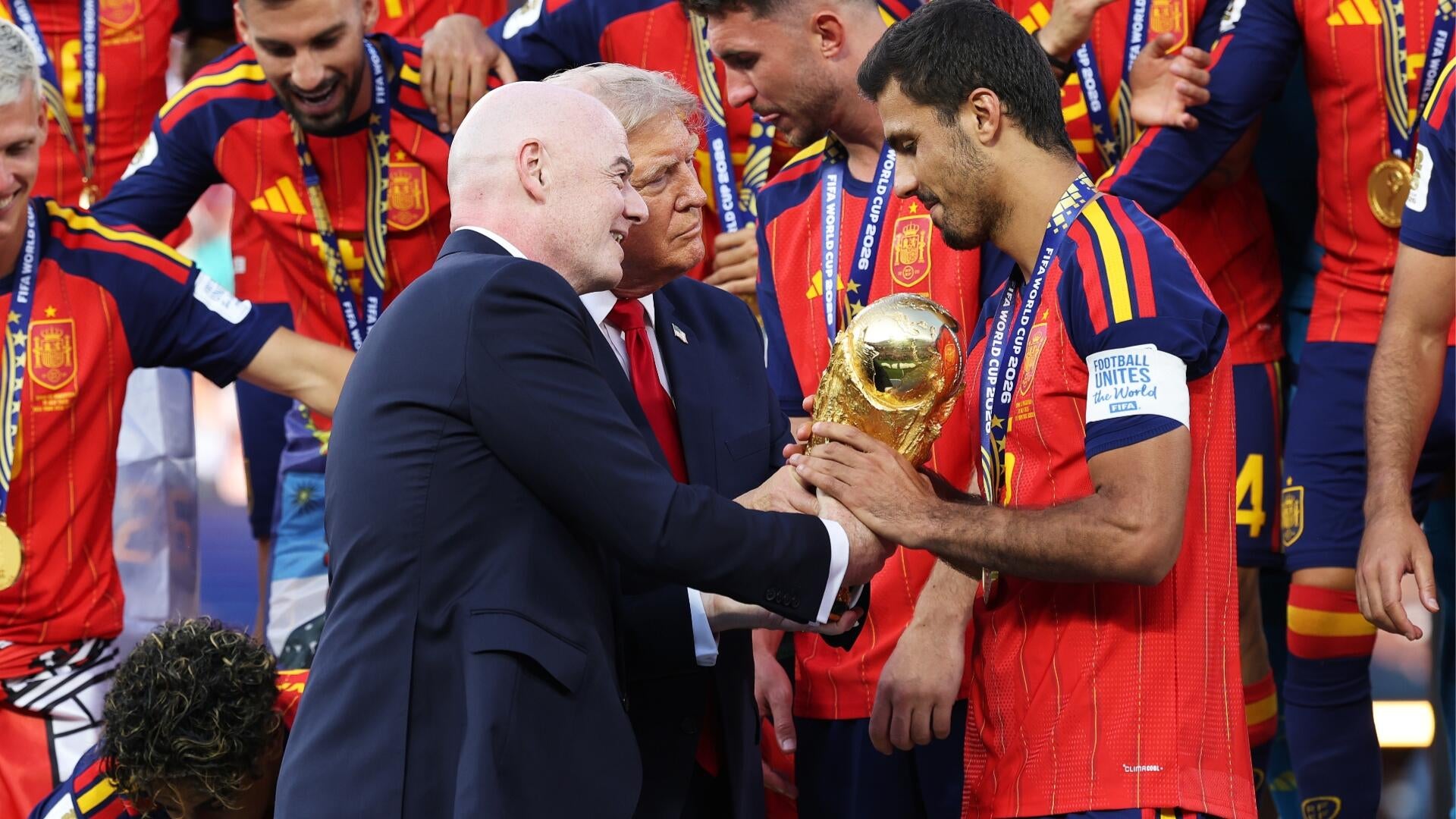
The 2026 World Cup was a spectacle from start to finish, for
According to Cbssports.
Context
The 2026 World Cup, held in the United States, Canada and Mexico, is the first to feature 48 teams, expanding opportunities for countries that are less traditional in football. This innovative format not only promises more exciting games, but also reflects the increasing globalization of sport, with a diverse and engaged audience. The edition marks the return of the tournament to North America after 32 years, reinforcing the region's relevance in world football.
Why this matters
The 2026 World Cup represents a significant milestone in the evolution of football, with the increase in the number of teams from 32 to 48. This change not only democratizes the competition, allowing more countries to participate, but also promises to increase the level of competitiveness and excitement, reflecting the diversity of global football. The event, held in North America, also highlights the importance of the region in the international sporting scene.
Main conclusions
- The 2026 World Cup was a spectacle from start to finish, for the.
- The 2026 World Cup brought many emotions and challenges, being the first edition with 48 teams, a milestone in the history of football.
- The 2026 FIFA World Cup was a spectacle from start to finish, for better or worse.
Another aspect that caught attention was the organization and infrastructure, with modernized stadiums and improved logistics. The host cities, which include iconic locations such as New York, Los Angeles and Toronto, have prepared to welcome large numbers of fans, offering a unique experience both inside and outside the stadiums. The combination of culture, sport and hospitality made the World Cup experience even more enriching.
However, the tournament also faced its challenges. Issues related to sustainability and accessibility were raised, generating discussions on how to improve future editions of the tournament. Furthermore, the increase in the number of teams brought a new dynamic to the tournament, with some teams facing difficulties in adapting to the new format. The balance between competitiveness andinclusion was one of the most debated topics during the World Cup.
Overall, the 2026 World Cup has left an indelible mark on the hearts of fans and the history of football. With an innovative format and an organization that strived to meet expectations, the tournament was, without a doubt, a spectacle from start to finish, full of memorable moments and stories that will be remembered for many years to come. The tournament's return to North America was not only a celebration of football, but also a testament to the sport's unifying power in a diverse world.
What happens next
After the success of the 2026 World Cup, expectations for the next editions of the tournament are increasing, especially in relation to maintaining the expanded format. The teams that stood out can prepare for a new cycle of competitions, while those that faced difficulties will seek to learn from their experiences. The 2026 World Cup could also influence the development of football in the Americas, encouraging investments in infrastructure and training young talent.