World Cup 2026: Why European teams are standing out
According to Bbc.
Context
Kylian Mbappé, star of the French national team, is one of the most watched players in this 2026 World Cup. His skill and experience in major tournaments are crucial to the performance of France, which seeks to join Spain and Germany as champions of World Cups outside Europe.
Why this matters
The performance of European teams in the 2026 World Cup is a reflection of the strengthening of football on the continent, especially with teams like France and England standing out. The presence of stars like Kylian Mbappé, who is fundamental to France's success, raises expectations for the tournament. The fact that six European teams reached the quarter-finals could indicate a new era of European dominance in world football.
Main conclusions
- 2026 World Cup: Why European teams are standing out.
- Six of the eight teams in the quarter-finals of the 2026 World Cup are European, demonstrating impressive strength.
- Kylian Mbappe remains central to Belgium's plans.
Historically, European teams have not performed well in World Cups held outside the continent. Since 1930, they have only won titles in these tournaments twice: Spain in 2010 in South Africa and Germany in 2014 in Brazil. However, in 2026, there is a strong possibility that another country will join this list, as six of the eight teams in the quarterfinals are from Europe: Belgium, England, France, Norway, Spain and Switzerland, with Argentina and Morocco completing the list. This is the most European teams to reach the quarter-finals at a World Cup outside of Europe since 1994.
Europe's teams gained momentum throughout the tournament, although their early performances raised some eyebrows. Seven of the first ten European teams to play in the group stage failed to win. The heat in North American cities was a hot topic before the start of the tournament, with several teams — including England — settling in hot regions to acclimatize before matches. However, few technicians pointed to climate factors as justification for its slow starts. After Belgium drew 0-0 with Egypt, coach Rudi Garcia said: "Whether it's 10 degrees or 30 degrees, we should have done better," while Switzerland coach Murat Yakin highlighted his team's lack of success after a 1-1 draw with Qatar.
As the games went by, the European teams adjusted and, at the end of the group stage, accumulated 17 wins, 12 draws and seven defeats against non-European teams. In the knockout games, some of the European nations also impressed in dealing with adversity. England's difficult trip to the Estadio Azteca to face Mexico in the round of 16 was much talked about, where they had to deal with the altitude and a hostile crowd, but they managed to overcome both challenges, producing one of their best performances to advance. "It showed that we have a team capable of winning the World Cup," commented former England striker Wayne Rooney after that victory. "THEThe confidence this will give these players is huge."
Meanwhile, France overcame Paraguay's "antics" to advance to the quarters, while Belgium dealt with pressure from the home crowd to beat co-hosts USA in the round of 16. Now, they will face European champions Spain in search of a place in the semi-finals. "They were encouraging signs from Belgium," said former England defender Matt Upson on BBC One. "They will need to be good against what is a brilliant midfield from Spain."
Of course, Europe was always going to have a strong representation at this stage of the tournament, as it receives 16 World Cup places, more than any other continent. However, with the format expanded to 48 teams and an extra knockout round to overcome, it is still impressive that they dominated the competition while five-time champions Brazil were eliminated and co-hosts Canada, Mexico and the USA crashed out in the last eight.
European teams also dominate the FIFA rankings, with five of the top eight teams being from Europe and four of them reaching the quarter-finals. Portugal, seventh placed, was eliminated by Spain in a clash between Europeans in the round of 16. France started the tournament as favorites and is confirming expectations, with striker Kylian Mbappé among the candidates for top scorer with seven goals. Many BBC commentators named France as favorites for the title before the start of the tournament. "It's hard not to look at France with the firepower they have when thinking about extra time in hot weather against tired legs," said former England midfielder Danny Murphy in his prediction.
Former French defender Gael Clichy also commented: "France, Spain and England are the three that, for me, will stand out. Spain seem to win everything, in every age group, so of course they are among the favourites, but being French, I'm backing them to win."
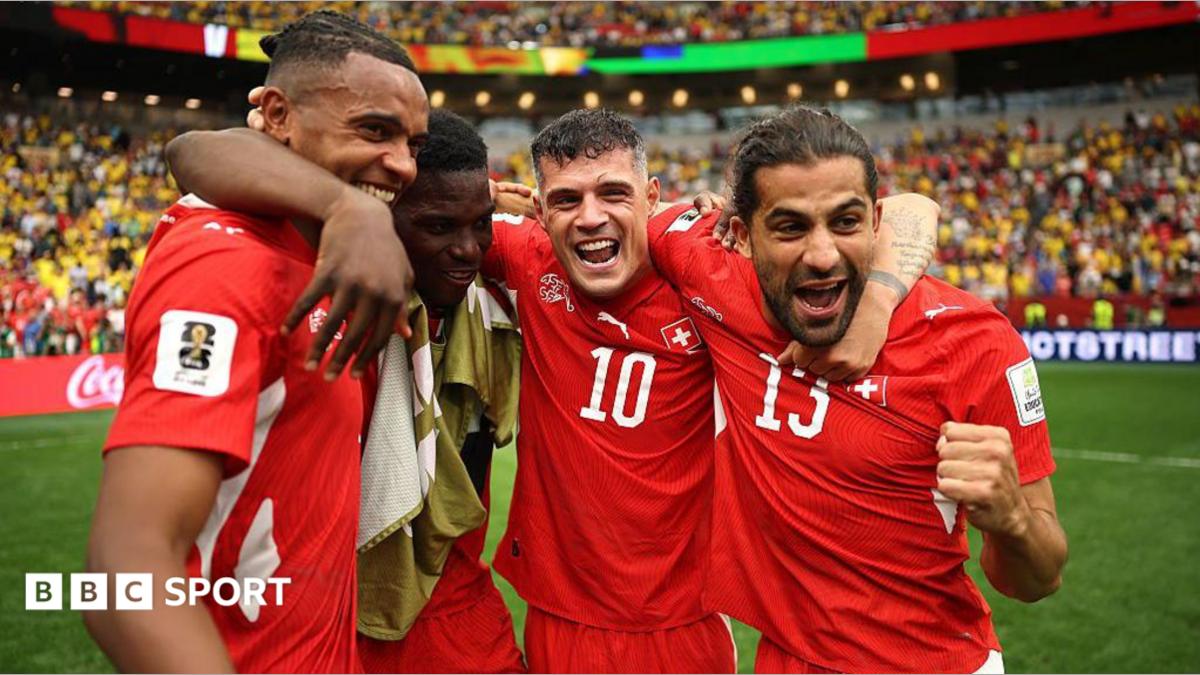
It would be more surprising if there were no France, Spain and England at this stage of the competition. However, some European teams are going beyond expectations. Norway are making the most of their return to the World Cup for the first time since 1998, with Erling Haaland shining on the international stage. The Manchester City striker has already scored seven goals in the tournament and will be eager to add to that tally against England on Saturday. Switzerland, in turn, also stood out and remained calm despite the intimidating atmosphere in their penalty shootout victory against Colombia in the last match of the round of 16. This victory marks the first time since 1954 that Switzerland have reached the quarter-finals of the World Cup, but they now face a tough challenge against defending champions Argentina. "This is a historic moment," Yakin said. "I've achieved our best performance in history, but the journey continues."
The journey will continue as European teams look to maintain their momentum and produce a rare World Cup winner outside the continent.
What happens next
As the 2026 World Cup progresses, European teams, including France and England, must continue to adapt and improve their performance. With the heat in North American cities a factor to be considered, teams will need to adjust their strategies for decisive games. The expectation is that Kylian Mbappé andother key players can take their teams even further, possibly towards a new world conquest.
Frequently asked questions
What happened to the European teams at the 2026 World Cup?
Six of the eight teams in the quarter-finals are from Europe: Belgium, England, France, Norway, Spain and Switzerland.
Who confirmed the performance of the European teams?
Belgium coach Rudi Garcia and Switzerland coach Murat Yakin commented on their teams' performances.
Why are European teams standing out now?
European teams adjusted throughout the tournament, racking up 17 group stage victories against non-European teams.
What changes occurred in the European teams during the tournament?
The European teams, after a slow start, managed to improve their performance and adapted to the climate of North American cities.
How important are European teams in the World Cup outside the continent?
Historically, European teams have performed poorly outside of Europe, with just two wins since 1930, but in 2026, they have a strong chance of increasing that number.
Related Articles
