To My Fellow World Cup Fans, This Tournament Was For Us
The article reflects on the unique and special atmosphere of the 2026 World Cup, emphasizing the sense of community and cultural celebration among fans from diverse backgrounds.
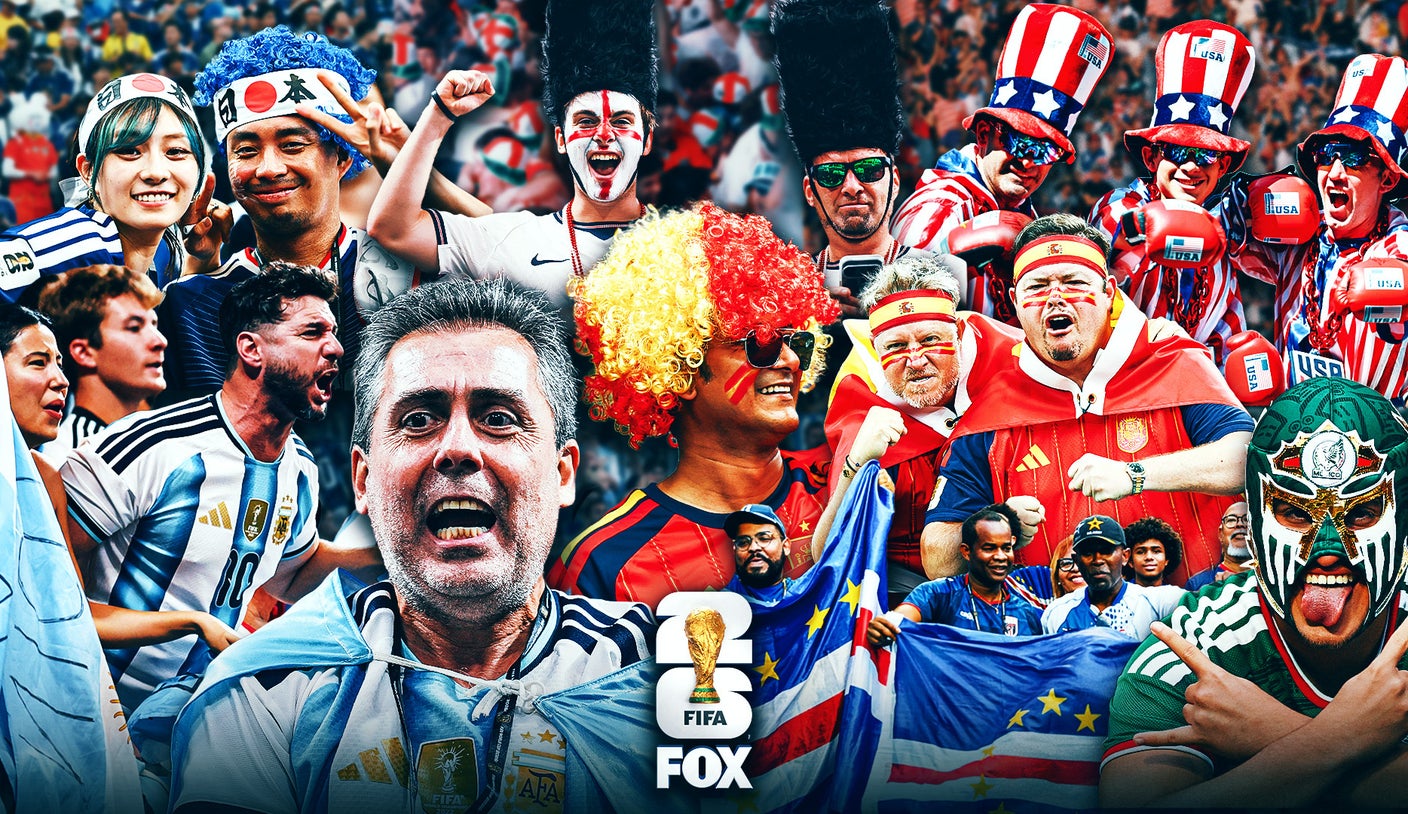
To My Fellow World Cup Fans, This Tournament Was For Us
According to Foxsports.
Context
Enner Valencia, an iconic figure in Ecuadorian football, is widely recognized for his contribution to the sport and his connection with fans. With the 2026 World Cup approaching, expectations are high for him to represent Ecuador in a tournament that promises to be an unprecedented cultural celebration.
Why this matters
The vibrant atmosphere of Jackson Heights reflects the diversity that will be one of the pillars of the 2026 World Cup. The cultural celebration between fans of different nationalities, such as Ecuador and Colombia, demonstrates how football unites people from different backgrounds. This connection is fundamental to the tournament experience, which promises to be a milestone in the history of football.
Main conclusions
- To My Fellow World Cup Fans, This Tournament Was For Us.
- The article reflects on the unique and special atmosphere of the 2026 World Cup, emphasizing the sense of community and cultural celebration among fans from diverse backgrounds.
- To My Fellow World Cup Fans, This Tournament Was For Us | FOX Sports.
During the tournament, in three countries and 16 cities in Mexico, Canada and the United States, fans from all over the world traveled not only to support their teams, but to be together. Yes, the opponents on the field are clear in this game, but off it, the feeling was one of family, where sharing cultural gifts with each other became a gift in itself. Kansas City welcomed Algeria as one of its own, while Norway's famous Viking Row took over the New York Mets' home field. More than 50,000 Scots emptied Boston, and this only brought them closer to the city. The mayor held a welcome ceremony last week for a traffic cone, which has now become a symbolic gesture of thanks after the Tartan Army faithful placed it on top of statues during their time at the World Cup.
There was also a couple in Arlington, Texas, who created a lemonade stand for fans heading to the stadium. At the end, supporters from all over the world bought a glass and left messages thanking them for the hospitality. I met a Paraguayan family who runs a beautiful restaurant in the Sunnyside neighborhood, where the entire community gathered to watch and celebrate their team, which did the almost impossible by beating Germany. Or, the success of Oasis’ “Wonderwall” becoming an anthem of nostalgia for England — sung from the ancient streets of Mexico City to the illuminated boulevards of Miami. Or the Mexican fan I spoke to, who was a waiter in Cancún, immigrated to the US more than two decades ago and built a restaurant empire in New Jersey. Or the Colombians in Hackensack, the Haitians in Brooklyn, the Argentines in North Miami and the South Koreans in Los Angeles. And we still have the thousands of videos of pure joy, the reactions of those who tried ranch dressing for the first time. Casual conversations with strangers. A commitment to learning from each other. It really restored my faith in humanity.
As my hero Anthony Bourdain said, traveling and exploring new places and communities is not always a graceful or beautiful process, but the journey changes you, leaving a lasting mark on your heart and consciousness. All these stories, therefore, much like the World Cup stickers, are collected, restored and remembered for eternity. There is nothing more precious that the World Cup can offer you than this: an invitation to an extended family. The fan is the blood and oxygen of a team. Without it, stadiums — as we remember during COVID-19 — have no soul. They have no reason to exist. But when you see a full stadium, where the voices become a single wave of energy, it moves you. It makes you value life. And so, dear fan, it is to you that I dedicate this column. Because of you, this World Cup woke us up and made us feel alive. This is what the World Cup represents: a celebration of the people and their love for the beautiful game, for the beautiful us.
What happens next
As the 2026 World Cup approaches, it is expected that the energy andenthusiasm around the tournament increases even further. Cultural events and festivities in immigrant communities, like Jackson Heights, are expected to intensify, offering a preview of what's to come. The participation of players like Enner Valencia and Luis Díaz will be closely monitored, as they represent the hope and pride of their nations.