FIFA makes unprecedented decision and Balogun plays quarter-finals: USA
FIFA made a historic decision by allowing USA striker Folarin Balogun to play in the World Cup quarter-finals, even after being sent off. The measure generated strong reactions from Belgium, which intends to evaluate its next actions.
FIFA makes unprecedented decision and Balogun plays quarter-finals: USA
According to Tuttomercatoweb.
Why this matters
FIFA's decision to allow Folarin Balogun to play in the quarter-finals of the 2026 World Cup marks a historic moment that could change the way punishments are meted out in football. The measure generates a debate about equity in international competitions, especially in a tournament as prestigious as the World Cup. Belgium's reaction, which considers the decision unfair, could have legal implications and affect the dynamics between the participating teams.
Main conclusions
- FIFA makes unprecedented decision and Balogun plays quarter-finals: USA.
- FIFA made a historic decision by allowing USA striker Folarin Balogun to play in the World Cup quarter-finals, even after being sent off.
- Folarin Balogun remains central to USA's plans.
Historically, since the introduction of cards in 1970, there has never been a situation where a sent-off player could play in the following match. The closest case was in 1962, when Garrincha, expelled in a semi-final, was able to compete in the final. However, this happened in a context where the rules were applied more flexibly and with less pressure from the media and sponsors.
Balogun's situation also echoes more recent cases, such as that of Jude Bellingham, who faced a suspension after a gesture deemed inappropriate, and Cristiano Ronaldo, who had a previous punishment changed. These decisions often become controversial and generate debates about the integrity of competitions.
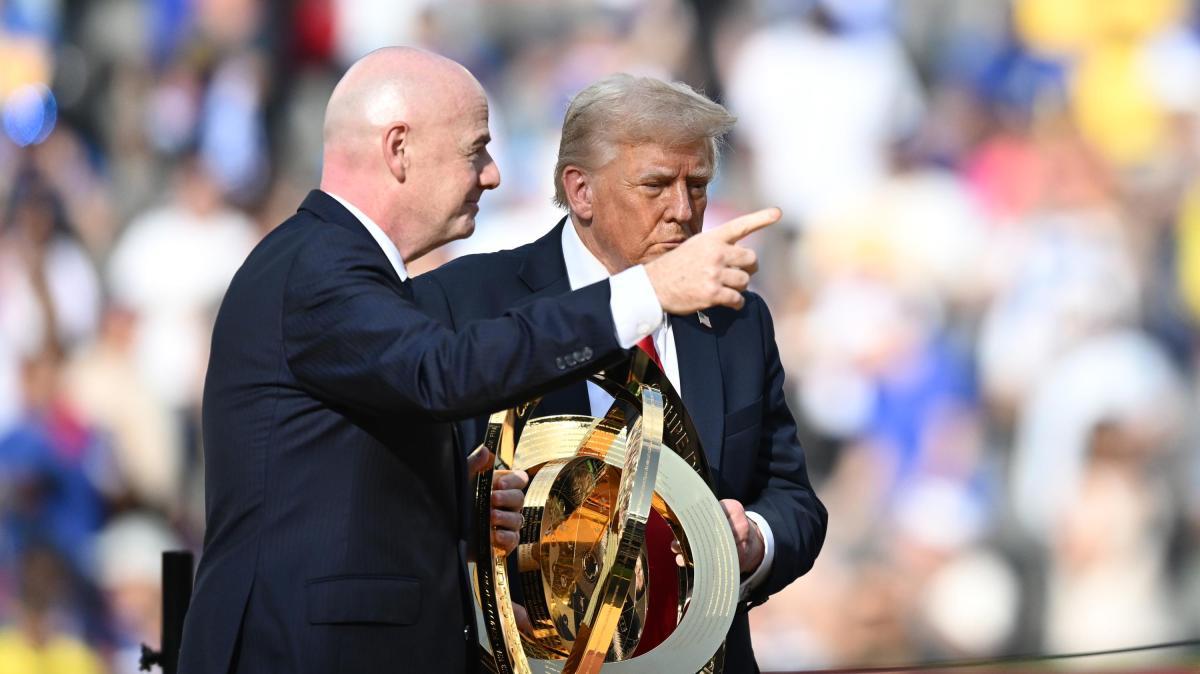
The repercussion of the decision did not go unnoticed by public figures, including former US President Donald Trump, who expressed support for FIFA's decision, stating that it was a correction of an injustice. The close relationship between Trump and Gianni Infantino, president of FIFA, may have influenced the decision, raisingeven more debates about politics and football.
With the quarterfinals approaching, expectations are high for the clash between the USA and Belgium. Balogun's participation promises to spice up the dispute even more, but the consequences of FIFA's decision could echo for a long time in the world of football.
What happens next
With Belgium evaluating its legal options, the situation could lead to a formal protest against FIFA's decision. The Belgian team's discontent could result in greater pressure on football's highest governing body, especially in relation to the application of disciplinary rules. Meanwhile, the USA is preparing to face Belgium in the quarterfinals, with Balogun on the field, which could influence the American team's performance at the 2026 World Cup.