England's World Cup tactics: What Tuchel is doing differently to Southgate
The article discusses the tactical differences between England's approaches to the World Cup under Thomas Tuchel and Gareth Southgate, highlighting changes in player selection and game strategy.
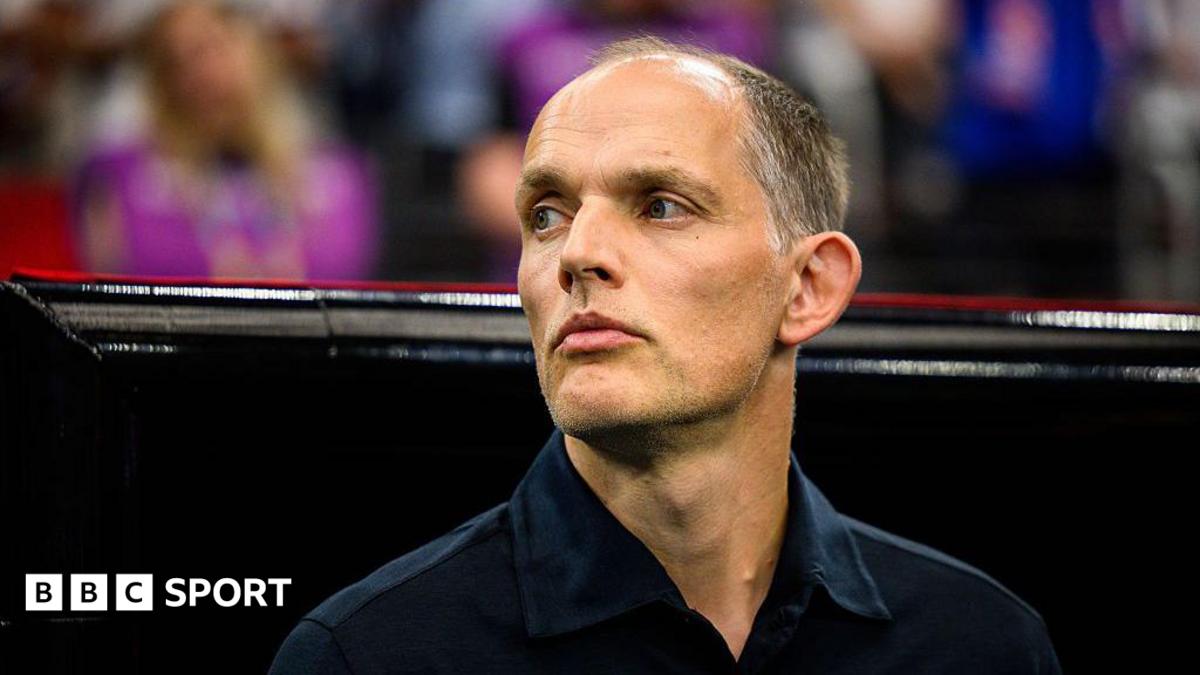
England's World Cup debut - a 4-2 win over Croatia - was an intense game that moved away from the more cautious approach fans were used to under Gareth Southgate. Football is, of course, about results, and Southgate has transformed England into a team capable of going far in tournaments, taking them to the European Championship final in 2021 and 2024. But for many, style matters too. Let's take a closer look at the similarities and differences between the approaches of Southgate and his successor, Thomas Tuchel.
Player in first place vs. system first The most obvious change since Tuchel's arrival has been his willingness to leave stars out of the squad. During Euro 2024, Southgate's England had Phil Foden on the left wing, Cole Palmer in attacking midfield and Trent Alexander-Arnold in defensive midfield. Tuchel left all three out of his World Cup squad. In simple terms, this can be explained as Tuchel's system-centric approach, while Southgate prioritized the players. Tuchel decided on a clear system and set of tactics he wanted to use, and then looked at the players who could best play the roles he wanted - regardless of their names. That's one of the reasons why Morgan Rogers - better suited to what Tuchel expects from his number 10 - was chosen over Foden and Palmer. Southgate seemed to look at the best individuals he could select before trying to build a system around them, and at times was called out for fitting players into roles that were not suitable. This is part of the reason we saw changes to the starting XI and system mid-tournament under Southgate. Both approaches have proven successful in football and have their pros and cons.
England x Ghana FIFA World Cup 2026 June 23, 9pm BST Watch on iPlayer While Tuchel created a system in which each player's role was clear, Southgate, on the other hand, encouraged individuals to solve problems - interpreting the game as it happened. Including big names on the field therefore made sense, with their individual quality helping England produce decisive moments. Think of Jude Bellingham's bicycle goals against Slovakia or Cole Palmer's long-range strike against Spain. Bellingham also scored a brilliant goal in last week's opener against Croatia, but it came from a well-worked attacking routine that England have developed over Tuchel's reign. It's a move that, in theory, also works with Rogers in Bellingham's position. Without Alexander-Arnold's deep passing, Foden's long shooting and Palmer's creativity, the current England squad may be a little short on game-changing individual quality - but Tuchel hopes those chosen can combine to produce a better collective performance.

Analyzing your playing styles Tuchel's playing model for England is built on a few core ideas. In November, assistant coach Anthony Barry told the Guardian that the modern game needed a new approach. "There are emotional victories you can achieve as a coach in the first and final thirds - playing from the back,pressing up front," he said. "But in the midfield area, those 24 meters, we felt the game became stagnant, especially in the Premier League. Everyone has so much information now. They know how to position themselves - medium blocks, deep blocks. We're really trying to focus on speeding up the game through those 24 yards." Watching the Croatia game again, that was plain to see. Pickford had 72 touches as Tuchel's men dropped back to lure Croatia forward before playing quickly to the runners behind.
That game in particular highlighted two clear differences from the Southgate era. The first was the speed of play across the third part of the field. Southgate's teams, perhaps more traditionally, built short plays - trying to progress the ball more slowly. They wanted to maintain possession, advance up the field as a unit before - when pressing the opponent in their own third - trying to break the low block. This worked particularly well against teams that ceded control and were reluctant to press high. But with football ever developing, games towards the end of Southgate's reign found England facing increasingly clever defensive tactics. We saw bolder medium blocks and, at certain moments, teams pressing higher. This is in line with the increased man-to-man pressure that has become more common in club football.
The second difference was the way the team sought to resolve tactical dilemmas. For Tuchel, smarter and more aggressive defensive tactics are counterbalanced by specific patterns and planned solutions. Against Croatia, as England passed the ball back, Declan Rice moved into an open position on the left, vacating the center of the pitch for Harry Kane to retreat alongside Elliot Anderson. Bellingham advanced to the back row. These movements were automatic, but they worked to break Croatia's pressure. After taking Croatia up the field, the movements ended with Kane or Anderson playing long to Bellingham, Anthony Gordon or Noni Madueke. Coaches prescribe solutions to players, who are selected to execute those ideas. This is put simplistically, but it's Tuchel's way. Southgate, when facing the same mid-block formation, was counting on the players he selected to solve the problem in a more intuitive way. This approach was more difficult for opponents to prepare for, with Alexander-Arnold and Kobbie Mainoo able to find different ways to progress the ball - but without a specific direction, players could find themselves stuck against well-prepared defenses in an increasingly tactical sport.
Will Tuchel's willingness to take risks pay off? In the coaching world, there is a saying that some believe in - that teams are built in the image of their coaches. Southgate was impressively able to stabilize the team before taking them extremely close to glory. He did this in a highly pragmatic way. His teams did not create back-and-forth clashes because, although this might increase their chances of scoring, it would also increase the likelihood of losing possession and conceding goals. By reducing variance and keeping the game tight, eventually England's quality would shine through. Against high-level opponents, their collective tactical ideas could seemunderdeveloped. When they got ahead, one criticism was that they seemed to defend the lead rather than extend it - just look at the Euro 2020 final as an example. Tuchel's willingness to take risks is greater. England's substitutes against Croatia were similar in profile, rather than changing the dynamic or balance of the team. Yes, they looked more defensively fragile than Southgate's team. But it's a trade that many fans will be willing to accept.
---
Related Articles
1. [Yamal Joins Exclusive Club with Historic World Cup Goal](https://pitchpulsemedia.com/en/news/yamal-joins-exclusive-club-with-historic-world-cup-goal) 2. [Djed Spence ตอบกลับหลังถูก Thomas Tuchel [https://changsuek.com/th/news/djed-spence-thomas-tuchel](https://changsuek.com/th/news/djed-spence-thomas-tuchel)